
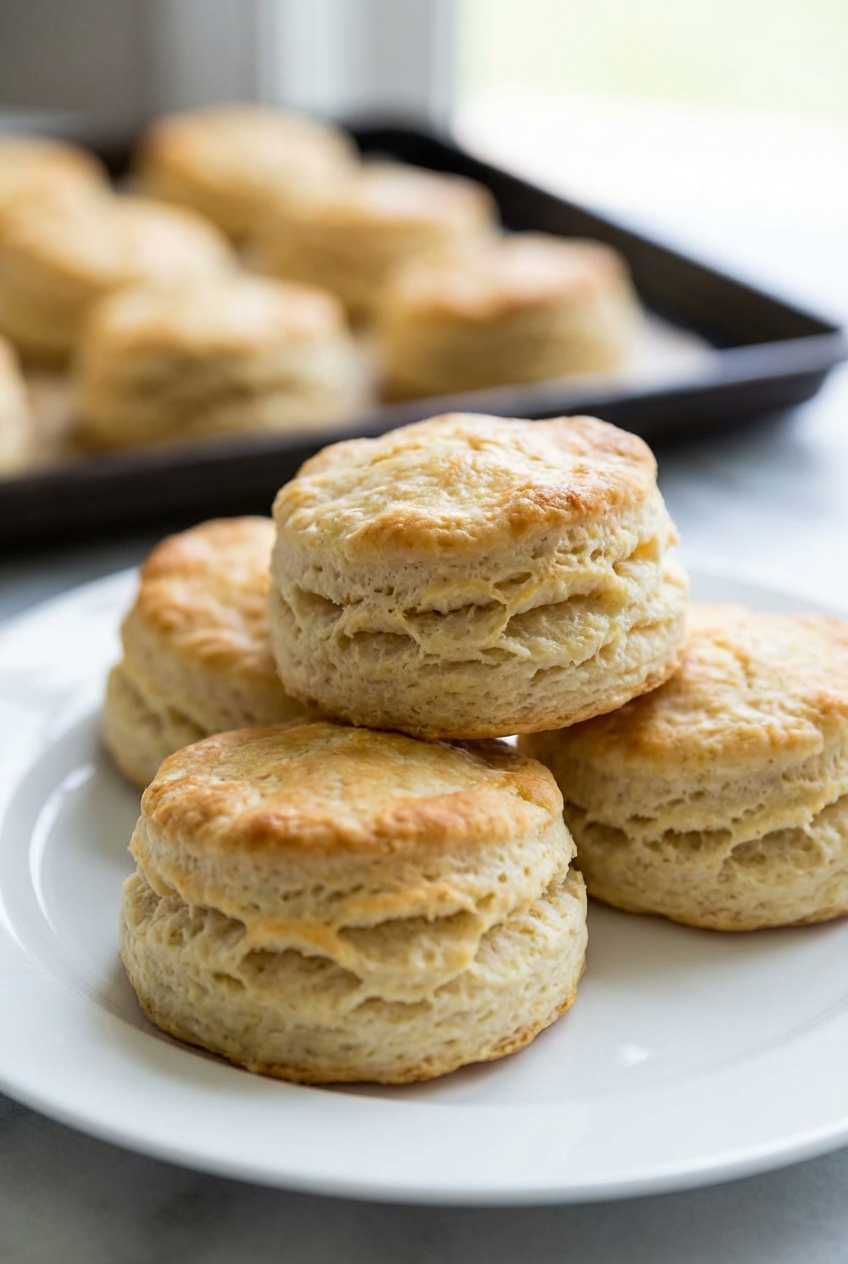
This Classic Southern Buttermilk Biscuits Recipe delivers perfectly flaky layers and a tender crumb in under 30 minutes. Whether you are looking for the ultimate breakfast staple or a comforting side dish for dinner, these simple homemade biscuits are a guaranteed crowd-pleaser.
Table of Contents
Why You Will Love This Recipe
You will love this recipe because it uses basic pantry staples and requires absolutely no rising time, making it much faster than traditional yeast breads. These biscuits are inspired by authentic Southern baking techniques, resulting in a golden-brown exterior and a soft, airy interior. They are incredibly versatile, pairing beautifully with everything from savory sausage gravy to sweet honey and fruit preserves.
Personal Experience & Testing
This recipe is deeply personal to me because it is based on the buttermilk biscuits my Grandma used to make when I was a child growing up in the South. I have spent a lot of time in my own kitchen testing different methods to ensure I could replicate her signature flaky texture. I have tested using a food processor versus a pastry cutter, and I even experimented with freezing the flour before mixing.
Through my testing, I discovered that using a cheese grater to shred cold butter into the flour is the most effective way to get even distribution without overworking the dough. I also found that the “snug fit” method on the baking sheet is essential; in my early tests, I spaced the biscuits apart, but they tended to spread rather than rise. When I pushed them together so they were touching, they supported each other and climbed much higher, resulting in those tall, impressive layers.
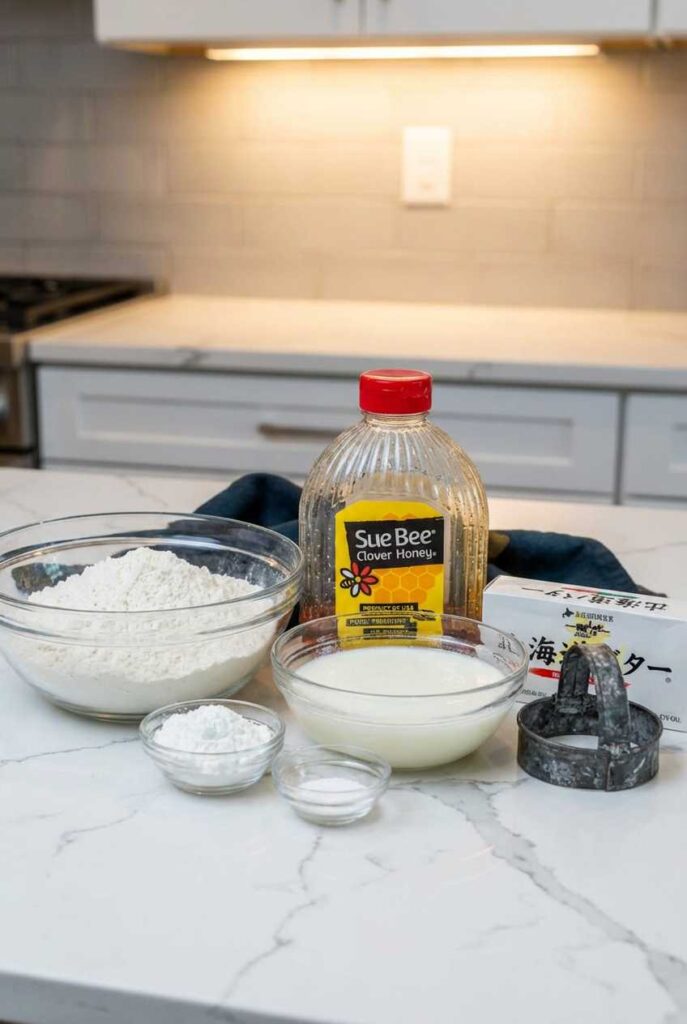
Ingredients
- 2 ½ Cups All Purpose Flour
- 2 ¼ tablespoon Baking Powder
- ½ teaspoon Salt
- ½ Cup Unsalted Butter (Must be COLD)
- 1 Cup Buttermilk (Must be COLD)
- 1 tablespoon Honey
- 2 tablespoon Buttermilk (For brushing the tops)
- 2 teaspoon Honey (For the honey butter topping)
- 2 tablespoon Unsalted Butter (Melted, for the honey butter topping)
- 1 Pinch Salt (For the honey butter topping)
Step-by-Step Instructions
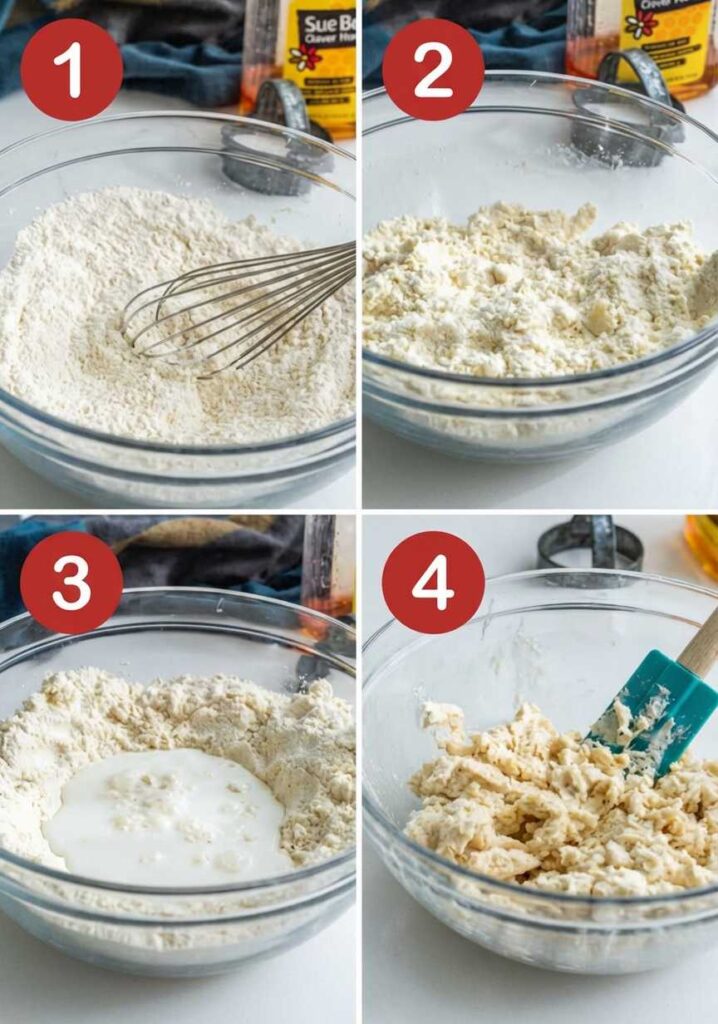
- Preheat your oven to 425 degrees F. While the oven is heating up, combine the all-purpose flour, baking powder, and salt in a large mixing bowl and whisk thoroughly.
- Cut the cold unsalted butter into the flour mixture. You can use a pastry cutter, a cheese grater, or simply cut the butter into tiny cubes. Use your hands to quickly combine the mixture until there are no large clumps, aiming for a texture similar to coarse crumbs.
- Create a well in the center of the dry ingredients and pour in the cold buttermilk and the tablespoon of honey. Stir with a large spoon until the dough is just incorporated. It is vital not to overwork the dough at this stage.
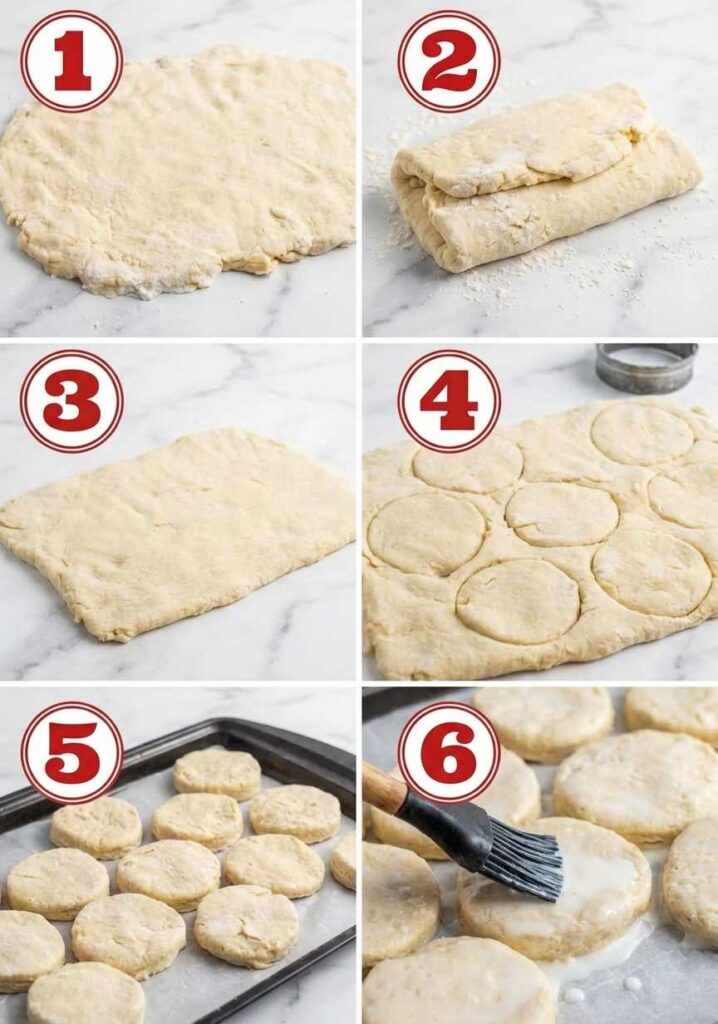
- On a lightly floured flat surface, gently flatten the dough to about ¾ of an inch thick. Fold the dough over on itself by pulling the sides to the middle, turn it, and gently press it down again. Repeat this folding process two more times to build those flaky layers.
- Use a circle biscuit cutter to press straight down into the dough firmly. Pull it straight back up without wiggling the cutter, as wiggling can seal the edges and prevent the biscuits from rising.
- Place the cut biscuits on a parchment-lined cookie tray so they are touching each other snugly. Repeat until all dough is used, re-rolling the excess once if necessary. This should yield 10 to 12 biscuits.
- Use a pastry brush to gently coat the tops of the biscuits with the remaining 2 tablespoons of buttermilk.
- Place the tray on the center rack of the oven and bake for 15 to 20 minutes, or until the tops have turned a beautiful golden brown.
- While the biscuits bake, whisk together the melted butter, honey, and a pinch of salt. As soon as the biscuits come out of the oven, brush them generously with this honey butter topping.
Expert Tips / Pro Tips
The Temperature Matters: Always use very cold butter and buttermilk. I often put my butter in the freezer for 15 minutes before I start baking. Cold fat creates steam as it hits the hot oven, which is what creates those sought-after flaky layers.
The No-Wiggle Rule: When using your biscuit cutter, never twist it. Twisting the cutter “locks” the edges of the dough, which will stop your biscuits from rising to their full height. Press straight down and pull straight up for the best results.
Don’t Overwork the Dough: Handle the dough as little as possible. If you knead it like bread dough, the biscuits will become tough and flat. You want to keep the dough just barely held together.
Touch for Success: Pushing the biscuits together on the baking sheet helps them rise upward rather than outward. This also keeps the sides of the biscuits soft and tender.
Variations & Substitutions
Flour Substitutes: You can use gluten-free 1:1 baking flour or whole wheat flour. Note that whole wheat flour will result in a slightly heartier, denser biscuit.
Buttermilk Alternatives: If you do not have buttermilk on hand, you can use cow’s milk, almond milk, or soy milk. Simply add a tablespoon of lemon juice or apple cider vinegar to the milk and let it sit for 5 minutes to create a DIY buttermilk substitute that helps the biscuits rise.
Savory Version: If you prefer a savory biscuit, you can omit the honey from the dough and the topping, and add half a cup of shredded sharp cheddar cheese to the dry flour mixture.
Serving Suggestions
These biscuits are the perfect companion to a bowl of hot Southern gravy. They also make an excellent base for breakfast sandwiches with fried eggs, bacon, or sausage. For a simpler treat, serve them warm with a dollop of salted butter, strawberry jam, or a drizzle of extra honey.
Storage, Freezing & Reheating
Storage: Keep leftover biscuits in an airtight container at room temperature for up to one week.
Freezing: These biscuits freeze exceptionally well. Wrap them tightly in plastic wrap and store them in a freezer-safe bag for up to three months. When ready to eat, thaw them overnight in the refrigerator.
Reheating: To regain that fresh-baked taste, warm the biscuits in the microwave for about 20 seconds or place them in a 350-degree oven for 5 to 7 minutes until heated through.
Nutrition Information
| Nutrient | Amount per Serving (1 Biscuit) |
|---|---|
| Calories | 153 kcal |
| Total Fat | 8 g |
| Saturated Fat | 5 g |
| Cholesterol | 21 mg |
| Sodium | 72 mg |
| Total Carbohydrates | 17.9 g |
| Dietary Fiber | 0.6 g |
| Sugars | 1.5 g |
| Protein | 2.7 g |
For more of the best breakfast recipes, check out my:
=> Bacon Blackberry French Toast Sandwich
=> Easy Pan Fried Cinnamon Bananas Recipe
=> Easy Peanut Butter Cheerio Bars Recipe
=> Easy 5 Minute Cookie Butter Recipe
Make sure to tag me @tastyrecipes.info on Instagram and leave a review below if you make this classic southern buttermilk biscuits recipe. To pin this recipe and save it for later, you can use the button on the recipe card, the buttons above or below this post, or on any of the photos above. Happy baking!
FAQ
Can I make biscuits without buttermilk?
Yes, you can use other types of milk such as whole milk, soy, or almond milk. However, buttermilk is preferred because its acidity reacts with the baking powder to create a better rise. If using a substitute, add a tablespoon of vinegar or lemon juice to the milk to mimic the acidity of buttermilk.
Can homemade biscuits be frozen?
Absolutely. You can freeze the baked biscuits for up to three months. Just ensure they are wrapped tightly to prevent freezer burn. You can also freeze the unbaked dough rounds and bake them directly from the freezer, adding a few extra minutes to the baking time.
What does buttermilk do for biscuits?
Buttermilk serves two purposes: it adds a subtle tang that balances the richness of the butter, and its acid reacts with the baking powder to provide a chemical leavening that makes the biscuits light and fluffy.
Why are my biscuits hard and flat?
This usually happens if the dough was overworked or if the butter was too warm before the biscuits went into the oven. Make sure to use cold ingredients and handle the dough as gently as possible.
Classic Southern Buttermilk Biscuits
Ingredients
Method
- Preheat your oven to 425 degrees F. While the oven is heating up, combine the all-purpose flour, baking powder, and salt in a large mixing bowl and whisk thoroughly.2 1/2 Cups All Purpose Flour, 2 1/4 tablespoon Baking Powder, 1/2 teaspoon Salt
- Cut the cold unsalted butter into the flour mixture. You can use a pastry cutter, a cheese grater, or simply cut the butter into tiny cubes. Use your hands to quickly combine the mixture until there are no large clumps, aiming for a texture similar to coarse crumbs.1/2 Cup Unsalted Butter
- Create a well in the center of the dry ingredients and pour in the cold buttermilk and the tablespoon of honey. Stir with a large spoon until the dough is just incorporated. It is vital not to overwork the dough at this stage.1 Cup Buttermilk, 1 tablespoon Honey
- On a lightly floured flat surface, gently flatten the dough to about ¾ of an inch thick. Fold the dough over on itself by pulling the sides to the middle, turn it, and gently press it down again. Repeat this folding process two more times to build those flaky layers.
- Use a circle biscuit cutter to press straight down into the dough firmly. Pull it straight back up without wiggling the cutter, as wiggling can seal the edges and prevent the biscuits from rising.
- Place the cut biscuits on a parchment-lined cookie tray so they are touching each other snugly. Repeat until all dough is used, re-rolling the excess once if necessary. This should yield 10 to 12 biscuits.
- Use a pastry brush to gently coat the tops of the biscuits with the remaining 2 tablespoons of buttermilk.2 tablespoon Buttermilk
- Place the tray on the center rack of the oven and bake for 15 to 20 minutes, or until the tops have turned a beautiful golden brown.
- While the biscuits bake, whisk together the melted butter, honey, and a pinch of salt. As soon as the biscuits come out of the oven, brush them generously with this honey butter topping.2 teaspoon Honey, 2 tablespoon Unsalted Butter, 1 Pinch Salt